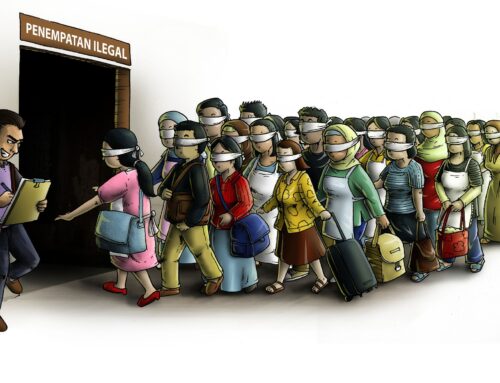
If you are an immigrant in the United States who has been a victim of a serious crime or human trafficking, you may be eligible for legal protection and a path to permanent residency through a T Visa or U Visa. Both of these visas were created to help victims of crimes who have suffered abuse and are willing to assist law enforcement. However, there are important differences between the two — and understanding which option fits your situation is key.
At Whitaker Legal, our immigration lawyer years of experience helping victims of trafficking and crime apply for humanitarian visas, obtain protection, and rebuild their lives safely in the U.S. Here’s what you should know about the T Visa and U Visa, and how to determine which one may be right for you.
What Is a T Visa?
A T Visa is for victims of human trafficking — a severe crime where a person is forced, tricked, or coerced into labor, services, or commercial sex acts.
To qualify for a T Visa, you must generally:
- Be a victim of a severe form of human trafficking;
- Be physically present in the U.S. on account of trafficking;
- Comply with reasonable requests for assistance from law enforcement (unless you’re under 18 or unable due to trauma);
- Show that you would suffer extreme hardship if removed from the U.S.
T Visa holders can apply for a green card after three years and may also include certain family members in their application.
What Is a U Visa?
A U Visa is for victims of certain qualifying crimes, such as domestic violence, assault, sexual abuse, or kidnapping, who have suffered substantial physical or mental abuse and have helped law enforcement investigate or prosecute the crime.
To qualify for a U Visa, you must:
- Be a victim of a qualifying crime that occurred in the U.S.;
- Have suffered significant physical or emotional harm;
- Have helped law enforcement or be willing to help in the investigation or prosecution;
- Obtain a law enforcement certification (Form I-918 Supplement B) confirming your cooperation.
U Visa holders can also apply for a green card after three years and may include certain family members.
Key Differences Between the Two
While both visas provide protection and a path to permanent residence, they apply to different situations:
Type of Crime
- T Visa: Human trafficking
- U Visa: Other serious crimes (e.g. domestic violence, assault)
Law Enforcement Certification Required
- T Visa: Not required (but cooperation helps)
- U Visa: Required
Physical Presence in the U.S.
- T Visa: Must be in U.S. because of trafficking
- U Visa: Crime must have occurred in U.S.
Wait Time
- T Visa: Generally shorter
- U Visa: Longer wait due to visa limits
If you were forced to work, perform services, or engage in sex acts against your will, you may qualify for a T Visa. If you were a victim of another crime and cooperated with police, you may qualify for a U Visa.
Because each case is unique, it’s crucial to discuss your specific circumstances with an experienced immigration attorney who can help determine which visa best protects your rights.
Why Legal Guidance Matters
Humanitarian visa applications involve sensitive personal histories, detailed evidence, and strict deadlines. An experienced attorney can help:
- Evaluate whether you qualify for a T or U Visa;
- Gather documentation and witness statements;
- Communicate with law enforcement and government agencies;
- File your petition and follow through until approval.
Mistakes or missing evidence can delay your case or lead to denial, so professional legal support is essential.
Talk to a Compassionate Maryland Immigration Attorney
At Whitaker Legal, we believe every person deserves safety and dignity. We have helped victims of crime and trafficking across Maryland and the United States secure lawful status and start new lives free from fear.
If you or someone you know may qualify for a T Visa or U Visa, we invite you to schedule a confidential consultation today.
Call Whitaker Legal at 410-207-9272 or visit our website to schedule your consultation and learn how we can help you build a future without barriers.